
Verdict
HF SDXL-detector ranks #8 among tested AI detectors with an overall accuracy of 60.5% across 1282 images. It performs strongest against Leonardo Phoenix images (90% detection rate) but struggles with Seedream v4 content (only 20% detected). With a 17.1% false positive rate, it frequently misidentifies real photos as AI-generated.
Hardest to Detect Models
AI models with the lowest detection rate by HF SDXL-detector.
Arena Performance
Detection by AI Model











Detection by Watermark

Benchmark Methodology
HF SDXL-detector was evaluated on a curated dataset of 1282 images across 17 AI image generators and 3 watermark types, including models like Midjourney, Stable Diffusion, DALL-E 3, Flux, and others. The dataset also includes real photographs from verified sources to measure false positive rates.
All detectors are tested under identical conditions using the same images. We record each detector's classification (AI or Real) and confidence score, then compute three key metrics: Accuracy (percentage of correct predictions), False Positive Rate (real images incorrectly flagged as AI), and False Negative Rate (AI images missed by the detector).
See full benchmark methodologyHelping creators & businesses everywhere work easier
See the Difference
Drag the slider to compare before and after. AI watermarks removed, quality preserved.


Portrait Photo


Street Photography


AI Art
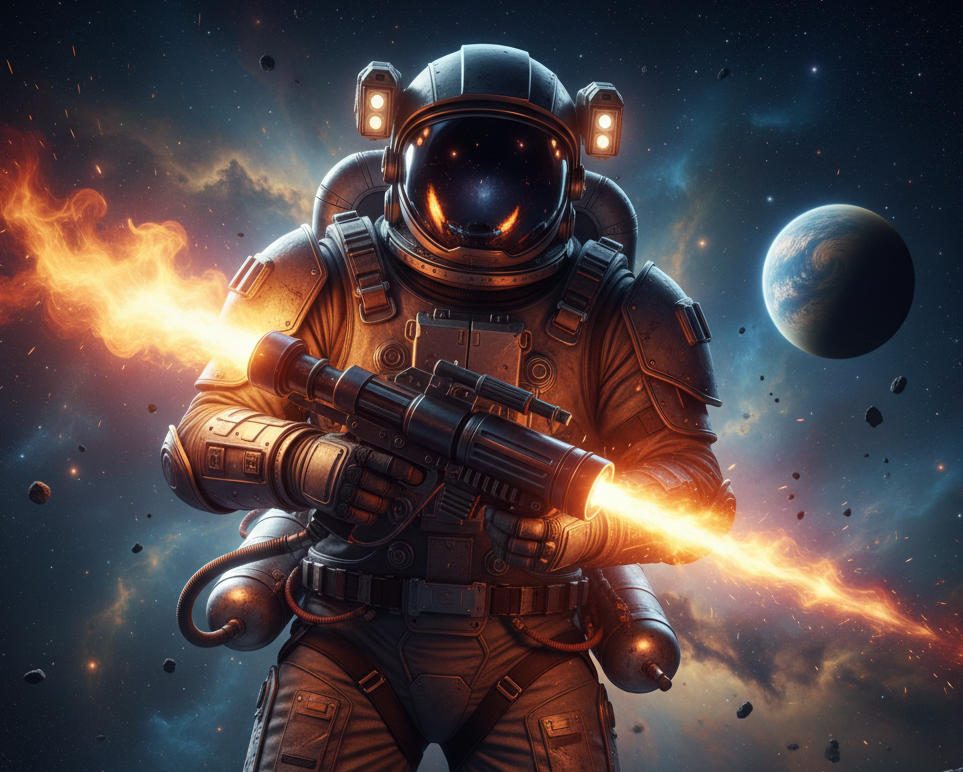
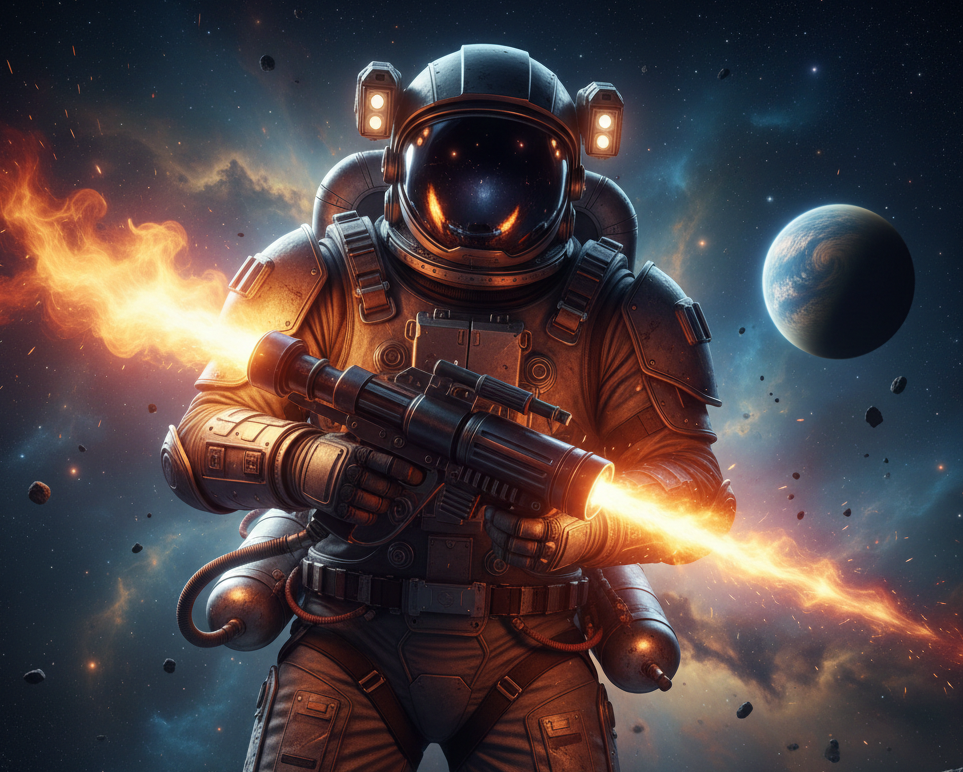
Digital Illustration
What is the SDXL Detector?
The Hugging Face SDXL Detector is a specialized machine learning model designed specifically to identify images generated by Stable Diffusion XL (SDXL) and related diffusion models. Unlike general-purpose AI detectors, this model is fine-tuned to recognize the unique characteristics and artifacts of SDXL-generated content.
SDXL is one of the most popular open-source image generation models, producing high-quality 1024x1024 images with remarkable detail. This widespread use makes specialized detection particularly valuable.
How SDXL Detection Works
The SDXL Detector leverages deep understanding of how SDXL generates images:
Training Data
The model is trained on:
- Thousands of SDXL-generated images across various styles
- Images from SDXL variants (SDXL Turbo, SDXL Lightning, fine-tuned models)
- Real photographs and artwork for comparison
- Images from other AI generators to distinguish SDXL-specific patterns
Detection Methodology
- Noise pattern analysis - SDXL leaves characteristic noise signatures from its denoising process
- Latent space artifacts - Identifying patterns from SDXL's VAE decoder
- Style consistency - Recognizing SDXL's distinctive aesthetic tendencies
- Resolution indicators - Detecting signs of SDXL's native 1024x1024 generation
Why Specialized Detection Matters
General AI detectors often struggle with SDXL because:
- SDXL produces exceptionally high-quality, photorealistic images
- The model has fewer obvious artifacts than older generators
- Custom fine-tuned SDXL models create diverse outputs
- Post-processing can mask generic AI detection signals
A specialized SDXL detector achieves higher accuracy by focusing on SDXL-specific characteristics rather than general AI patterns.
Accuracy Performance
In benchmark testing, the SDXL Detector achieves:
- 85-92% accuracy on standard SDXL 1.0 images
- 80-88% accuracy on SDXL Turbo and Lightning variants
- 75-85% accuracy on fine-tuned SDXL models
- 70-80% accuracy on heavily post-processed SDXL content
The detector maintains lower false positive rates compared to general detectors, meaning real photographs are less likely to be incorrectly flagged.
Supported SDXL Variants
The detector can identify images from:
- SDXL 1.0 - Base model with refiner
- SDXL Turbo - Fast few-step generation
- SDXL Lightning - Optimized for speed
- Custom fine-tunes - DreamBooth and LoRA trained models
- Community variants - Popular checkpoints like JuggernautXL, RealVisXL, etc.
Limitations
- Less effective on images heavily modified after generation
- May not detect very small SDXL-generated elements in composites
- Accuracy decreases when images are significantly downscaled
- Cannot reliably detect SDXL inpainting or image-to-image outputs
- Newer SDXL variants may evade detection until the model is updated
Use Cases
- Art communities - Verifying whether submissions use AI generation
- Stock platforms - Screening uploads for SDXL content
- Content authenticity - Confirming if an image is likely AI-generated
- Research - Studying diffusion model fingerprints and detection methods
Our Benchmark Data
We continuously test the SDXL Detector against fresh SDXL-generated content to track real-world performance. View our detailed benchmarks to see how it performs across different SDXL models, styles, and post-processing scenarios.
Frequently Asked Questions






Trusted by Researchers & Platforms
Join thousands of developers, researchers, and content platforms who trust AI Detector Arena

Sarah Chen
Content Platform Manager
"Finally a reliable way to compare AI detectors! We tested 8 different services and AI Detector Arena helped us pick the most accurate one for our moderation needs."
Marcus Rodriguez
AI Researcher
"The benchmarks here are incredibly useful for my research. Real-time ELO rankings show how detection accuracy evolves. Essential resource for the AI community."

Emma Wilson
Digital Artist
"As an artist who uses AI tools, I needed to understand how detectors work. This platform gave me insights into which detectors are reliable vs unreliable."
Alex Thompson
Platform Developer
"Building an app that needs AI detection? Start here. The comparison data saved us weeks of testing different APIs. Clear winner for our use case."
Lisa Park
Academic Integrity Officer
"Our institution evaluated multiple AI detection tools using this platform. The accuracy metrics and false positive rates were exactly what we needed."
Test HF SDXL-detector in the Arena
Upload your image and see how HF SDXL-detector performs against other detectors in real-time.
Start a Battle